When a Dangerous Property Condition Causes an Injury
A slip, trip, or fall can happen in seconds, but the resulting injuries can affect your life for months or even years.
Wet floors, uneven surfaces, broken walkways, poor lighting, inadequate warnings, defective stairs, and other dangerous conditions can cause serious injuries. Depending on where the accident occurred and the circumstances surrounding it, the property owner or another responsible party may be legally liable.
Florida premises liability law does not make a property owner automatically responsible for every accident. A successful claim generally requires evidence that a dangerous condition existed and that the property owner or responsible party had actual or constructive knowledge of the condition, among other requirements.
Diez-Arguelles & Tejedor represents people injured in slip and fall and other premises liability accidents throughout Florida.
If you were injured because of a dangerous condition on someone else's property, call (407) 705-2880 for a confidential consultation.
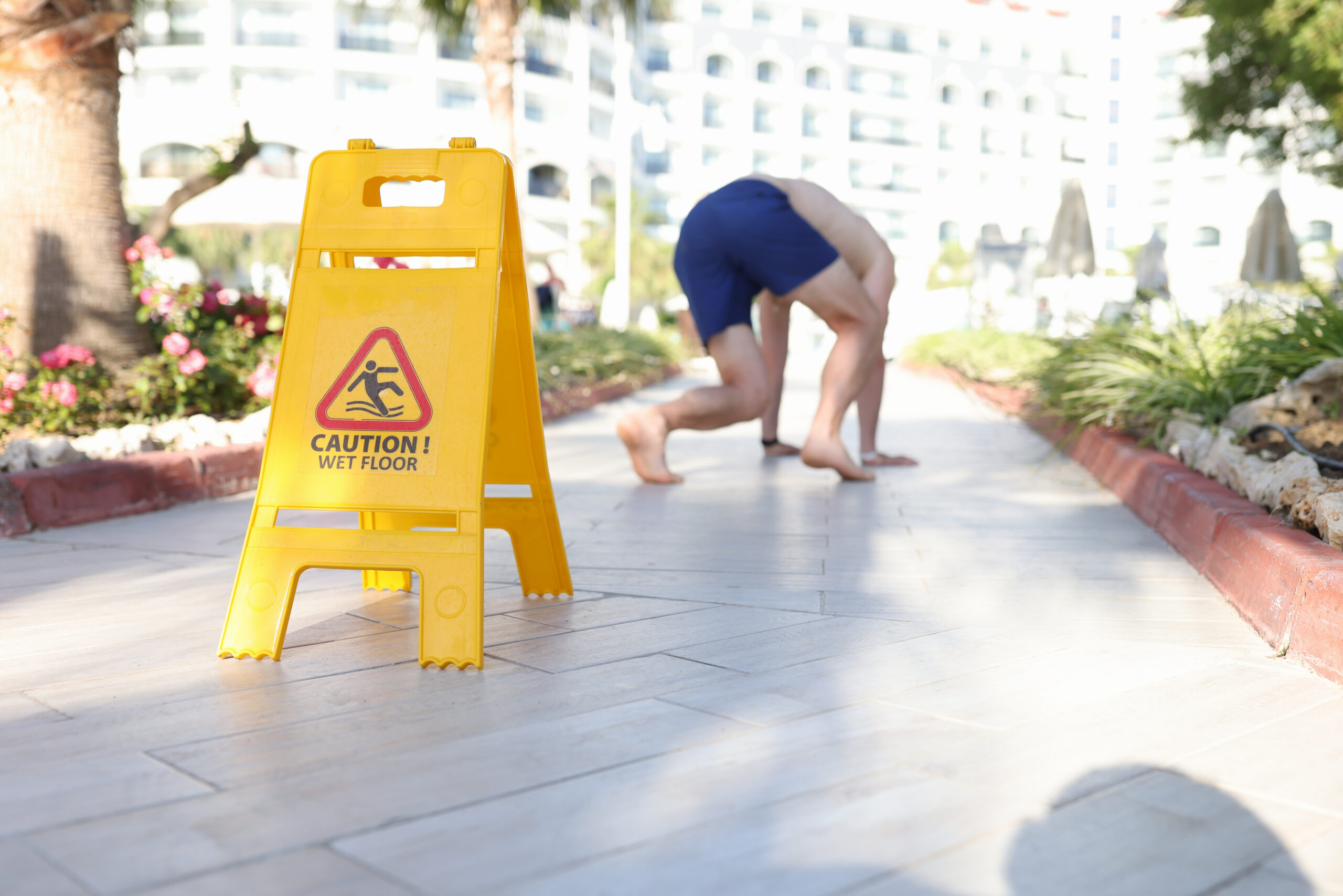
Diez-Arguelles & Tejedor stands up for individuals injured in slip and fall accidents. Our attorneys are committed to investigating what caused your fall, protecting your rights, and helping you pursue the compensation you may be entitled to for your injuries and losses.
Call (407) 705-2880 to learn how we can help.
Common Causes of Slip and Fall Accidents
Property conditions that may contribute to a slip, trip, or fall include:
- Wet or slippery floors
- Spilled liquids or food
- Uneven flooring
- Broken or cracked sidewalks
- Potholes
- Loose carpeting or mats
- Debris or objects left in walkways
- Broken or uneven stairs
- Missing or inadequate handrails
- Poor lighting
- Changes in floor elevation
- Defective or poorly maintained parking lots
- Other hazardous conditions that create a foreseeable risk of injury
The condition itself is only part of the investigation. It may also be important to determine how long the condition existed, whether the property owner knew about it, whether employees should have discovered it through reasonable inspections, and whether appropriate warnings were provided.
When Is a Property Owner Responsible for a Fall?
Florida law recognizes claims based on premises liability when a property owner or possessor fails to maintain reasonably safe conditions or otherwise breaches a legal duty owed to someone on the property.
For a transitory foreign substance in a business establishment, Florida law specifically addresses the burden of proving that the business had actual or constructive knowledge of the dangerous condition. Constructive knowledge may be established through evidence that the condition existed for enough time that the business should have discovered it through reasonable care, or that the condition occurred with enough regularity that its recurrence was foreseeable. Florida Statutes § 768.0755
A fall by itself does not tell the whole story. The circumstances leading up to the accident can determine whether another party may be legally responsible.

Constructive Knowledge in Florida Slip and Fall Cases
One of the most important issues in many slip and fall cases is notice.
A property owner may have actual knowledge if it knew about the dangerous condition.
For example, an employee may have been told about a spill, or an employee may have personally observed the hazardous condition.
Constructive knowledge is different. It concerns circumstances in which the condition existed long enough, or occurred often enough, that the property owner should have discovered it through reasonable care.
Evidence of constructive knowledge may include:
- The length of time the condition existed
- Evidence of recurring spills or hazards
- Inspection records
- Surveillance video
- Employee testimony
- Incident reports
- Photographs
- Maintenance records
- Witness statements
- Patterns of previous incidents
Florida law specifically identifies the duration and regularity of a dangerous condition as potential evidence of constructive knowledge in cases involving transitory foreign substances in business establishments. Florida Statutes § 768.0755
Common Slip and Fall Injuries
A fall can cause much more than a temporary bruise.
Common injuries include:
- Broken bones and fractures
- Hip fractures
- Wrist and arm injuries
- Knee injuries
- Shoulder injuries
- Back and spinal injuries
- Traumatic brain injuries
- Concussions
- Neck injuries
- Soft-tissue injuries
- Nerve damage
- Internal injuries
- Permanent disability
For older adults in particular, a fall can result in a serious fracture, hospitalization, surgery, rehabilitation, and a significant loss of independence.
Where Slip and Fall Accidents Happen
Slip and fall accidents can occur almost anywhere, including:
Grocery Stores and Retail Stores
Spills, leaking refrigeration units, uneven flooring, merchandise left in aisles, and other hazards can create dangerous conditions.
Restaurants
Food and drink spills, wet floors, inadequate cleaning, and other hazards can cause customers or employees to fall.
Shopping Centers and Malls
Walkways, entrances, parking areas, escalators, stairs, and other common areas can present risks when they are improperly maintained.
Hotels and Resorts
Guests may be injured because of wet surfaces, defective walkways, inadequate lighting, unsafe stairs, or other dangerous property conditions.
Apartment and Residential Properties
Landlords and property owners may have responsibilities concerning certain dangerous conditions on their property, depending on the circumstances.
Parking Lots and Garages
Potholes, broken pavement, inadequate lighting, standing water, and other hazards can cause serious falls.
Public and Commercial Properties
Government buildings, offices, medical facilities, and other properties can also give rise to premises liability claims depending on the circumstances and the entity responsible for the property.
What Should You Do After a Slip and Fall?
What happens immediately after an accident can affect your ability to establish what caused your injury.
If you are physically able to do so:
Report the Accident
Notify the property owner, manager, or appropriate employee and ask that the incident be documented.
Take Photographs
Photograph the condition that caused the fall, the surrounding area, warning signs, lighting, flooring, and anything else that may help establish what happened.
Identify Witnesses
Obtain names and contact information for anyone who saw the accident or the condition that caused it.
Seek Medical Attention
Some injuries may not be immediately apparent. Prompt medical evaluation can also establish a record of your injuries.
Preserve Evidence
Keep the shoes and clothing you were wearing at the time of the accident and preserve photographs, medical records, bills, and communications concerning the incident.
Speak With an Attorney
Evidence such as surveillance video may be particularly important in premises liability cases, and businesses may routinely overwrite or otherwise lose video if it is not preserved.
Evidence Can Make the Difference
Slip and fall cases can depend heavily on evidence showing what caused the accident and whether the property owner should have known about the dangerous condition.
Our investigation may involve:
- Photographs and video
- Surveillance footage
- Incident reports
- Witness statements
- Maintenance and inspection records
- Employee testimony
- Property records
- Prior complaints or incidents
- Medical records
- Accident reports
- Other evidence concerning the condition of the property
The sooner important evidence is identified and preserved, the better positioned you may be to establish what happened.
You Don't Have to Prove Your Case Alone
A slip and fall can leave you dealing with medical treatment, lost income, pain, and uncertainty about what happens next.
You may know exactly what caused you to fall, or you may only know that you were injured on someone else's property.
Determining whether another party is legally responsible requires examining the condition that caused the accident, the property owner's knowledge, the available evidence, and the extent of your injuries.
Diez-Arguelles & Tejedor can investigate the circumstances of your accident and help you understand your legal options.
If you were injured in a slip and fall, call (407) 705-2880 for a confidential consultation.
Serving injured individuals and families throughout Orlando and across Florida. Call Diez-Arguelles & Tejedor at 1-888-888-3773 to discuss your legal options in a free consultation.
Frequently Asked Questions
Potentially. A business may be liable when a dangerous condition caused your injury and the legal requirements for establishing premises liability are met.
For certain transitory foreign-substance cases in business establishments, Florida law specifically requires proof concerning the business's actual or constructive knowledge of the dangerous condition. Florida Statutes § 768.0755
Get Free Advice! Send us a Message Now.
You pay Absolutely Nothing Unless We Win your Case