When an Accident Changes Everything
A diagnosis of cerebral palsy can change the course of a child's life and create significant challenges for an entire family.
Cerebral palsy affects movement, balance, and posture. The condition can range from relatively mild physical limitations to severe disabilities requiring extensive medical treatment, therapy, assistive equipment, and lifelong care.
Cerebral palsy can have many possible causes, and not every case is the result of medical negligence. However, when a healthcare provider's failure to provide appropriate care causes or contributes to brain injury or another injury resulting in cerebral palsy, the family may have grounds for a medical malpractice claim.
At Diez-Arguelles & Tejedor, our attorneys represent children and families in complex cerebral palsy and medical negligence cases throughout Florida. We investigate the circumstances surrounding a child's injury, review the medical evidence, work with qualified medical experts, and pursue the compensation available under Florida law.
If your child has been diagnosed with cerebral palsy and you believe medical negligence may have played a role, contact our Orlando office for a free, confidential case review.
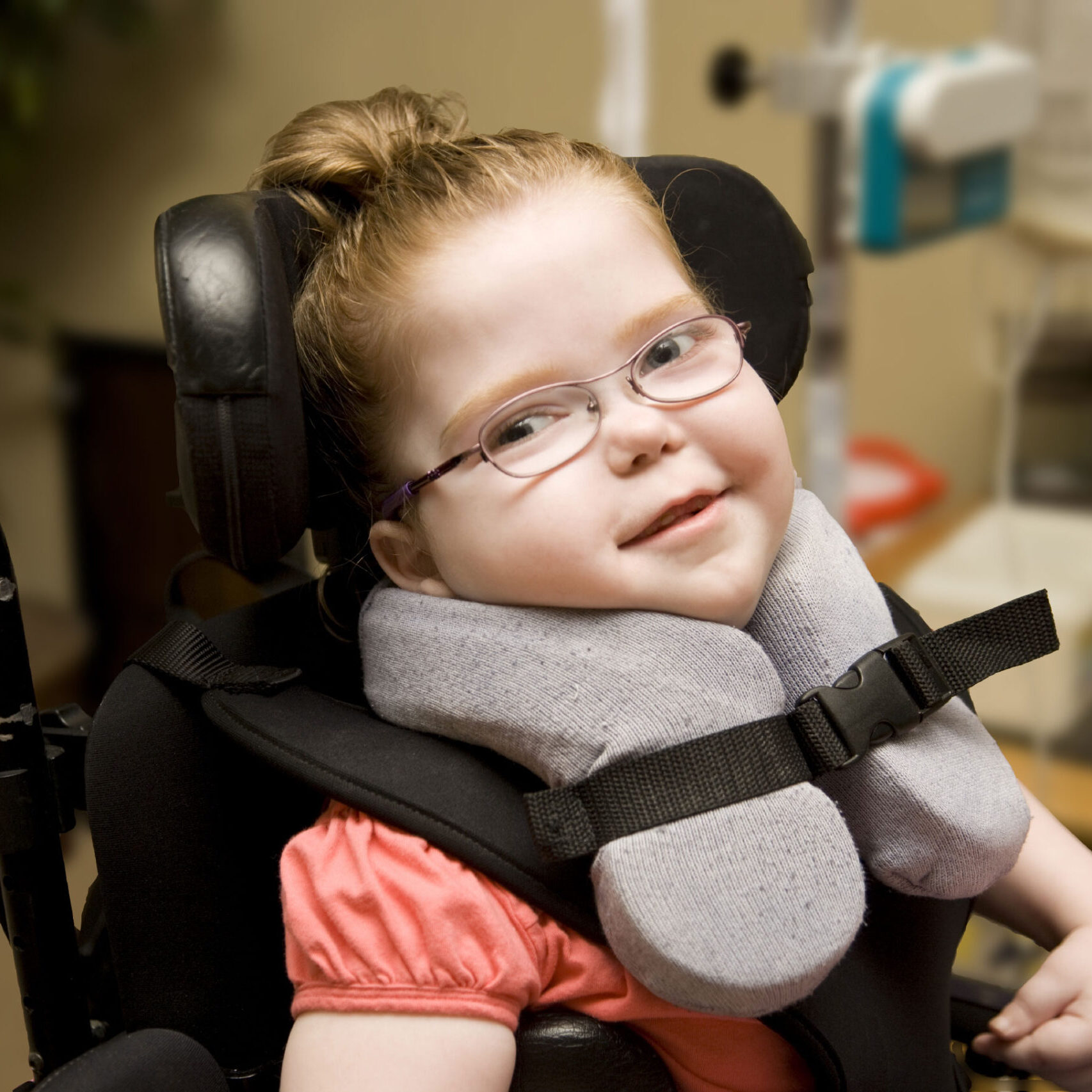
Diez-Arguelles Tejedor stands up for families affected by cerebral palsy and birth injuries. Our attorneys are committed to protecting your rights and helping you pursue the financial compensation needed to secure your child's long-term care and future.
Call (407) 705-2880 to learn how we can help.
What Is Cerebral Palsy?
Cerebral palsy, commonly called CP, is a group of disorders that affect a person's ability to move and maintain balance and posture.
The condition results from abnormal development of the brain or damage to the developing brain. The effects can vary significantly from one child to another. Some children may have relatively mild movement difficulties, while others may require specialized equipment or lifelong assistance.
Cerebral palsy itself is not a progressive condition, meaning the underlying brain injury does not continue to worsen. However, the symptoms and challenges associated with cerebral palsy can change throughout a person's lifetime.
Children with cerebral palsy may also experience other conditions, including:
- Seizures
- Speech and communication difficulties
- Vision or hearing problems
- Intellectual disabilities
- Problems with muscle control
- Joint problems
- Spinal changes such as scoliosis
- Difficulty walking or maintaining balance
The severity and combination of symptoms are different for every child.
What Causes Cerebral Palsy?
Cerebral palsy can develop when the brain is not properly formed or when the developing brain is damaged.
The injury or abnormal brain development can occur before birth, during labor and delivery, shortly after birth, or during the first years of a child's life while the brain is still developing.
Possible factors associated with cerebral palsy include:
- Premature birth
- Low birth weight
- Multiple births
- Infections during pregnancy
- Certain maternal medical conditions
- Problems involving the placenta
- Umbilical cord complications
- Brain bleeding
- Severe newborn jaundice
- Infections after birth
- Head injuries
- Disruptions in the baby's oxygen supply
- Other complications affecting the developing brain
The presence of one of these risk factors does not necessarily mean that medical negligence occurred. In many cases, the precise cause of cerebral palsy may not be known.
That is why determining whether a healthcare provider may be legally responsible requires a careful examination of the individual circumstances.

When May Medical Negligence Be Involved?
A cerebral palsy diagnosis alone does not establish medical malpractice.
A legal claim may arise when a healthcare provider fails to provide the level of care required under the circumstances and that failure causes or contributes to the child's injury.
Depending on the circumstances, potential medical errors may include:
Failure to Properly Monitor the Mother or Baby
Healthcare providers may need to monitor maternal and fetal conditions during pregnancy and labor. A failure to recognize important changes or warning signs can delay necessary treatment.
Failure to Recognize Fetal Distress
Signs of fetal distress may require immediate evaluation and intervention. A failure to recognize or appropriately respond to those signs can potentially result in serious injury.
Delayed C-Section
In certain circumstances, an emergency C-section may become medically necessary. An unreasonable delay in delivery can potentially increase the risk of injury when the baby is experiencing a serious complication.
Failure to Treat Maternal Medical Conditions
Conditions affecting the mother during pregnancy can also affect the developing baby. Appropriate prenatal care may require recognizing and managing conditions that increase risks to the mother or child.
Failure to Treat Newborn Complications
Medical negligence can also occur after delivery. Failure to recognize or treat serious newborn conditions, infections, jaundice, seizures, or other complications may result in brain injury.
Medication Errors
Incorrect medications, dosages, or failures to properly monitor the effects of medication can sometimes contribute to serious injury.
These are only examples. Whether negligence occurred depends on the specific facts, applicable medical standards, and expert evaluation of the care provided.
Cerebral Palsy and Birth-Related Brain Injuries
Some cerebral palsy cases involve injuries that occurred before or during birth. However, it is important not to assume that cerebral palsy resulted from a lack of oxygen during delivery.
Current medical research recognizes that cerebral palsy has multiple potential causes, and the specific cause is often unknown. The CDC notes that oxygen deprivation during birth accounts for only a small number of cerebral palsy cases.
When a child develops cerebral palsy following complications during pregnancy or delivery, an investigation may help determine whether a preventable medical error caused or contributed to the underlying brain injury.
This may be particularly important when the medical records show evidence of:
- Fetal distress
- Abnormal fetal monitoring
- Placental complications
- Umbilical cord problems
- Delayed delivery
- Delayed C-section
- Maternal infection
- Severe newborn jaundice
- Seizures
- Oxygen deprivation
- Other complications involving the baby's brain or nervous system
The goal is not simply to identify a difficult birth. The goal is to determine whether the healthcare providers involved acted appropriately under the circumstances.
Recognizing the Signs of Cerebral Palsy
Cerebral palsy can sometimes be recognized early in a child's development, although the timing of diagnosis can vary.
Developmental delays involving movement and motor milestones may be among the early signs that a child requires further evaluation. The CDC notes that cerebral palsy is generally diagnosed during the first or second year after birth, although mild cases can sometimes be more difficult to confirm until later.
Parents may notice concerns involving:
- Delayed rolling over
- Difficulty sitting
- Difficulty standing
- Delayed walking
- Unusual muscle stiffness
- Floppiness or low muscle tone
- Difficulty controlling movement
- Problems with balance or coordination
- One side of the body appearing weaker than the other
- Difficulty using the arms or hands
- Abnormal movements
- Feeding difficulties
- Speech or communication difficulties
- Seizures
These symptoms can have many possible explanations and do not necessarily mean that a child has cerebral palsy.
If you are concerned about your child's development, the first step should be discussing those concerns with your child's pediatrician or an appropriate medical specialist.
If your child is ultimately diagnosed with cerebral palsy, however, it may also be appropriate to investigate whether an injury occurred during pregnancy, delivery, or the newborn period and whether medical negligence contributed to that injury.
Types of Cerebral Palsy
Cerebral palsy can affect children in different ways. Doctors generally classify cerebral palsy based on the primary type of movement disorder involved.
Spastic Cerebral Palsy
Spastic cerebral palsy is the most common type and is associated with increased muscle tone and stiffness.
It can affect different parts of the body, including the legs, one side of the body, or all four limbs.
Dyskinetic Cerebral Palsy
Dyskinetic cerebral palsy can involve involuntary movements that make it difficult for a child to control posture and movement.
These movements may vary and can affect different parts of the body.
Ataxic Cerebral Palsy
Ataxic cerebral palsy primarily affects balance and coordination. Children may have difficulty with movements that require precision and control.
Some children may have symptoms involving more than one type of movement disorder.
The type and severity of cerebral palsy can significantly affect the child's treatment needs, development, independence, and long-term care requirements.
How We Investigate Cerebral Palsy Cases
Discovering that your child has cerebral palsy brings a wave of emotions, questions, and worries about the future. While a diagnosis provides a name for what your child is experiencing, it rarely explains why it happened. Our compassionate legal team is here to help your family find those answers by gently guiding you through a thorough look into your child's medical journey.
We know that reviewing medical records can feel overwhelming, so we take that burden off your shoulders. Our attorneys carefully piece together the story of your pregnancy, labor, and your baby's early days. We examine prenatal charts, fetal monitoring strips, and delivery reports, while also looking closely at NICU records, brain imaging, and developmental evaluations. Our goal is to understand not just what happened, but what your child needs to thrive moving forward.
Because your family deserves absolute clarity, we partner with trusted medical specialists to look beyond the paperwork. Together, we focus on the questions that matter most to your peace of mind:
- What caused the injury, and when did it happen?
- Could this have been prevented with proper care?
- Did the medical team miss critical warning signs or delay acting?
- Did a failure in care change the course of your child's life?
You do not have to search for answers alone. We are here to handle the legal complexities with the utmost care, allowing you to focus entirely on loving and supporting your child.
The Lifetime Impact of Cerebral Palsy
The effects of cerebral palsy can extend far beyond a child's initial diagnosis.
Depending on the severity of the condition, a child may require:
Medical Care
Specialists, medications, diagnostic testing, surgeries, and other medical services may be necessary throughout childhood and adulthood.
Physical, Occupational, and Speech Therapy
Therapy can help children develop movement, communication, daily living, and other skills.
Assistive Equipment
Some children may require wheelchairs, braces, communication devices, mobility equipment, or other assistive technology.
Educational Support
A child with cerebral palsy may require individualized educational services or other developmental support.
Home Modifications
Some children with significant physical disabilities may require changes to their home or living environment to accommodate mobility and accessibility needs.
Personal Care and Assistance
Children with severe cerebral palsy may require assistance with daily activities and personal care throughout their lives.
The financial cost of these services can be substantial. More importantly, families must consider how the child's condition may affect education, employment, independence, and quality of life over the course of a lifetime.
Our Experience With Serious Injury and Medical Malpractice Cases
Cerebral palsy cases can involve complicated medical questions, extensive medical records, and significant long-term damages. Understanding whether a child’s condition may have resulted from medical negligence requires a careful review of the pregnancy, labor and delivery, and the medical care provided before, during, and after birth.
The attorneys of Diez-Arguelles & Tejedor have extensive experience representing families in serious personal injury, medical malpractice, birth injury, and catastrophic injury cases throughout Florida. Our firm’s reported results include significant recoveries for families affected by birth injuries, neurological injuries, and other serious medical negligence claims.
Birth Injury & Wrongful Death
Birth Injury
Hypoxic Brain Injury to Baby
Delayed C-Section
Premature Birth Injury
Birth Injury
Birth Injury
These results reflect prior case outcomes and do not guarantee a particular result in any future case. Every case is different, and the outcome depends on the facts and circumstances of each case.
Florida Cerebral Palsy Medical Malpractice Claims Have Legal Deadlines
If you believe medical negligence caused or contributed to your child's cerebral palsy, it is important to seek legal advice as soon as possible.
Florida law imposes deadlines for bringing medical malpractice claims. The rules can become particularly complicated when the injured person is a minor and when the injury or its connection to medical negligence is not immediately apparent.
The deadline that applies to a particular claim can depend on factors including when the medical incident occurred, when the injury was discovered or should have been discovered, the child's age, and the type of claim being pursued.
Florida law also contains specific provisions concerning claims involving birth-related neurological injuries.
Do not assume that you have unlimited time to investigate or pursue a cerebral palsy claim.
An attorney can review the circumstances of your child's condition and determine which legal deadlines may apply.
If Your Child Has Cerebral Palsy, We Can Help
A cerebral palsy diagnosis can leave parents with difficult questions.
What caused my child's condition?
Could the injury have been prevented?
Did something go wrong during pregnancy, delivery, or newborn care?
Was an important warning sign missed?
Was appropriate treatment provided?
You may never be able to change what happened. But obtaining answers may help you understand your child's condition and determine whether you have legal options.
Diez-Arguelles & Tejedor represents families facing serious cerebral palsy and medical negligence cases throughout Florida.
If you believe medical negligence caused or contributed to your child's cerebral palsy, contact our Orlando office for a free, confidential case review.
Serving injured individuals and families throughout Orlando and across Florida. Call Diez-Arguelles & Tejedor at 1-888-888-3773 to discuss your legal options in a free consultation.
Get Free Advice! Send us a Message Now.
You pay Absolutely Nothing Unless We Win your Case