Helping families after devastating birth injuries
When a child suffers an injury before, during, or shortly after birth, the consequences can affect an entire family for years or even a lifetime.
Some birth injuries are unavoidable complications of pregnancy or delivery. Others may occur when a doctor, nurse, hospital, or other healthcare provider fails to recognize a dangerous condition, respond to warning signs, or provide appropriate medical care.
At Diez-Arguelles & Tejedor, our attorneys represent families throughout Florida in serious birth injury and medical malpractice cases. We investigate what happened, review the medical evidence, work with qualified medical experts, and pursue the compensation that may be available for a child's injuries and future needs.
If you believe your child may have suffered a birth injury because of medical negligence, contact us for a free, confidential case review.
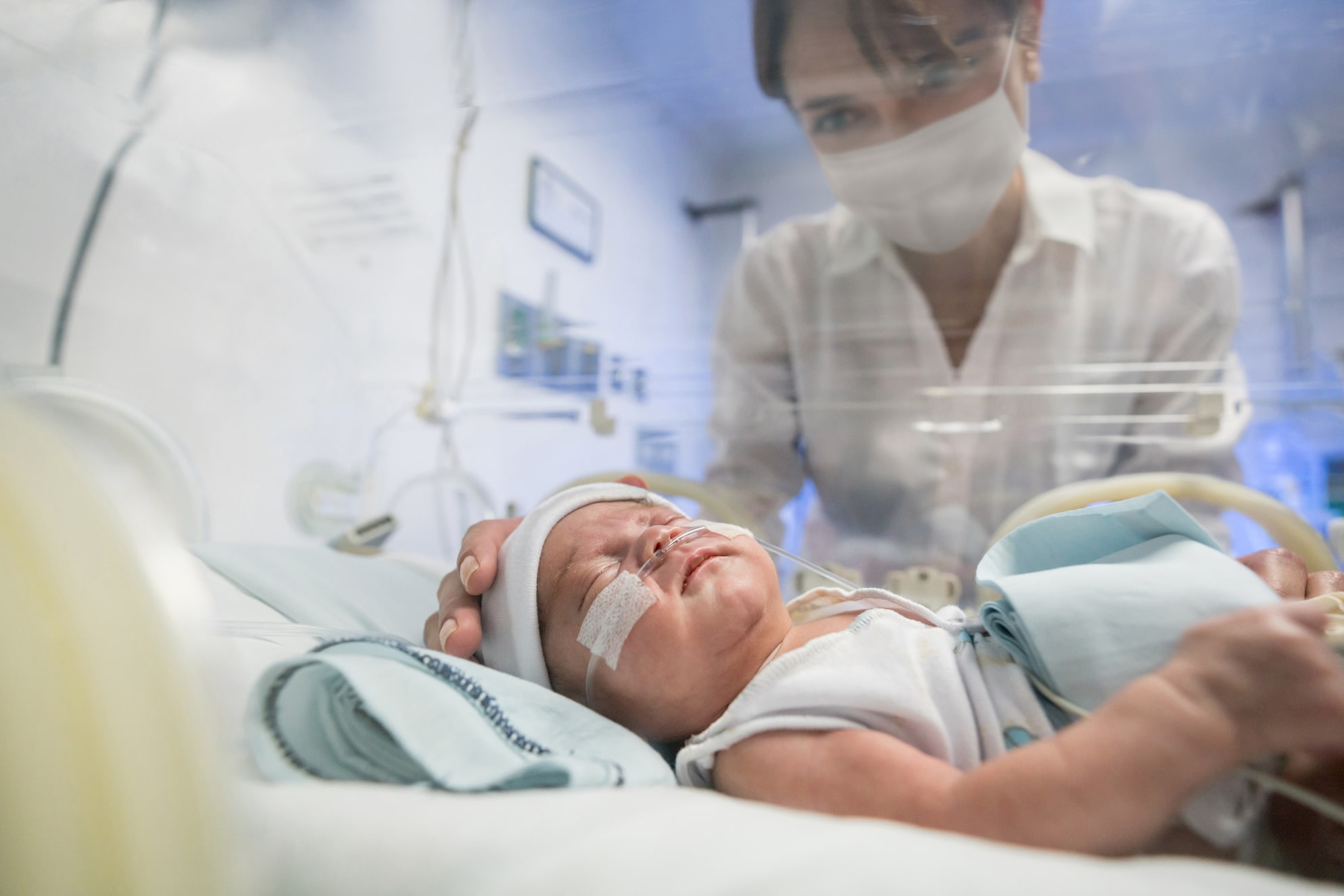
Diez-Arguelles & Tejedor fights for families devastated by birth injuries. Our attorneys are committed to protecting your rights and helping you pursue the compensation you need to move forward.
Call (407) 705-2880 to learn how we can help.
Navigating an Unexpected Future: Legal Guidance After a Child's Birth Injury
The birth of a child should be a time of hope and celebration. When something goes wrong during pregnancy, labor, delivery, or newborn care, however, families can suddenly face a future they never expected.
Serious birth injuries can affect a child's physical, neurological, and developmental health. Some children may require extensive medical treatment, rehabilitation, therapy, assistive equipment, special education, or ongoing personal care.
Many serious birth injuries involve the baby's brain or nervous system. In some cases, an injury can occur when the baby does not receive adequate oxygen during labor or delivery. Other injuries may result from physical trauma during delivery, complications involving the mother or baby, or failures in medical care.
A birth injury does not automatically mean that medical malpractice occurred. Some complications can happen even when appropriate medical care is provided. Determining whether an injury was preventable requires a careful review of the medical records and the circumstances surrounding the child's birth.
At Diez-Arguelles & Tejedor, our attorneys work to determine what happened, whether the appropriate standard of care was followed, and whether medical negligence caused or contributed to your child's injury.
What Causes Birth Injuries?
Birth injuries can occur for many different reasons. Some result from complications that develop during pregnancy or delivery. Others may occur because a healthcare provider failed to recognize or properly respond to a developing problem.
Potential causes of birth injuries may include:
- Failure to recognize or respond to fetal distress
- Failure to timely perform a necessary C-section
- Failure to properly monitor the mother or baby
- Improper use of forceps
- Improper use of a vacuum extractor
- Excessive force during delivery
- Improper management of shoulder dystocia
- Failure to recognize or treat maternal medical conditions
- Medication or dosage errors
- Failure to properly manage high blood pressure
- Failure to properly manage diabetes
- Failure to recognize or treat preeclampsia or eclampsia
- Failure to recognize complications during pregnancy
- Failure to respond appropriately to signs of oxygen deprivation
- Failure to properly treat a newborn after delivery
In some cases, the cause of a child's injury may not be immediately apparent. Understanding what happened can require a detailed review of the mother's prenatal care, labor and delivery records, fetal monitoring, medications, newborn records, and other medical evidence.

Birth Injuries Involving Oxygen Deprivation
One of the most serious types of birth injury occurs when a baby's brain does not receive enough oxygen.
The brain is particularly vulnerable to oxygen deprivation. Depending on the circumstances, a lack of oxygen can result in permanent brain damage, developmental disabilities, seizures, movement disorders, cognitive impairment, and other lifelong complications.
Hypoxic-ischemic encephalopathy, commonly known as HIE, is one condition associated with oxygen deprivation around the time of birth.
In these cases, timing can be critical. Medical providers may need to recognize signs of fetal distress and take appropriate action to protect the baby. Depending on the circumstances, this may include additional monitoring, emergency treatment, or an expedited delivery.
Our attorneys investigate whether warning signs were recognized and whether appropriate action was taken when it was necessary.
The firm's experience includes a $8.5 million recovery involving a hypoxic brain injury to a baby.
Serious Birth Injuries and Conditions
Birth injuries can range from temporary physical injuries to catastrophic neurological injuries that result in permanent disability.
Some of the conditions associated with serious birth injuries include:
- Hypoxic-ischemic encephalopathy (HIE)
- Brain injuries caused by oxygen deprivation
- Cerebral palsy
- Erb's palsy
- Brachial plexus injuries
- Birth asphyxia
- Injuries associated with premature birth
- Fractures and other physical injuries
- Neurological and developmental injuries
Cerebral Palsy
Cerebral palsy is a group of disorders that can affect movement, muscle coordination, posture, and other functions.
In some cases, cerebral palsy may be associated with brain injury occurring before, during, or shortly after birth. When a child develops cerebral palsy following complications during pregnancy or delivery, it may be important to determine whether medical negligence contributed to the injury.
Learn more about our Cerebral Palsy Cases.
Erb's Palsy
Erb's palsy is a type of brachial plexus injury that can affect the nerves controlling movement and sensation in the shoulder, arm, and hand.
These injuries can occur during difficult deliveries, including those involving shoulder dystocia. Some children recover with treatment, while others may experience permanent weakness or loss of movement.
Learn more about our Erb's Palsy Cases.
Our attorneys handle these conditions as separate areas of practice and can investigate whether medical negligence may have contributed to a child's injury.
Birth Injuries Are Not Always Immediately Apparent
One of the most difficult aspects of a birth injury is that the injury may not always be obvious immediately after delivery.
A child may initially appear healthy but later experience developmental delays or fail to reach expected milestones.
Parents may eventually notice difficulties involving:
- Movement
- Muscle tone
- Coordination
- Speech and communication
- Feeding
- Cognitive development
- Walking
- Use of the arms or hands
- Seizures
- Other developmental milestones
A later diagnosis does not necessarily mean that the underlying injury occurred recently. Some conditions may be related to an injury that occurred during pregnancy, labor, delivery, or shortly after birth.
If your child has been diagnosed with a neurological or developmental condition, it may be important to investigate the circumstances surrounding the pregnancy and delivery.
How We Investigate Birth Injury Cases
Birth injury cases can involve complicated medical and legal issues. Identifying an injury alone does not establish that medical negligence occurred.
Our attorneys carefully review the medical care provided before, during, and after delivery to determine what happened and whether the appropriate standard of care was followed.
This may include reviewing:
- Prenatal medical records
- Maternal medical history
- Labor and delivery records
- Fetal monitoring strips
- Nursing records
- Medication records
- Operative reports
- C-section records
- Newborn and NICU records
- Pediatric records
- Diagnostic testing and imaging
- Developmental evaluations
- Medical bills and treatment records
We also work with qualified and experienced medical professionals who can review the medical evidence and provide opinions regarding the care that was provided.
Together, the medical records and expert analysis can help determine whether a medical error occurred, whether the standard of care was met, and whether an error caused or contributed to the child's injury.
Was Your Child's Birth Injury Preventable?
Not every birth injury is the result of medical negligence.
Doctors, nurses, and hospitals may argue that an injury resulted from an unavoidable complication, an underlying medical condition, or circumstances beyond their control.
That is why a thorough investigation is important.
Our attorneys examine the medical evidence and work with qualified experts to determine whether the healthcare providers involved recognized and appropriately responded to the circumstances they faced.
We look at questions such as:
- Were warning signs properly recognized?
- Was the baby's condition appropriately monitored?
- Was fetal distress identified?
- Was appropriate action taken when fetal distress occurred?
- Should an emergency C-section have been performed sooner?
- Were medications administered appropriately?
- Were maternal medical conditions properly treated?
- Was excessive force used during delivery?
- Were appropriate delivery techniques used?
- Did healthcare providers respond appropriately after the baby was born?
The goal is to understand not only what happened, but also whether the injury could have been prevented if appropriate medical care had been provided.
What Compensation May Be Available in a Birth Injury Case?
A serious birth injury can create significant medical, financial, and personal challenges for a child and family.
Depending on the circumstances of the case and applicable Florida law, compensation may potentially include damages associated with:
Medical Expenses
Past and future medical treatment related to the child's injury.
Rehabilitation and Therapy
Physical therapy, occupational therapy, speech therapy, rehabilitation, and other services that may help the child develop skills and maximize independence.
Assistive Equipment
Wheelchairs, braces, communication devices, mobility equipment, and other assistive technology may be necessary for children with significant disabilities.
Future Medical and Personal Care
A child with a catastrophic injury may require ongoing medical treatment, supervision, personal assistance, or specialized care throughout his or her lifetime.
Educational and Developmental Needs
Some birth injuries can affect a child's ability to learn and may require specialized educational and developmental services.
Other Damages
Depending on the facts of the case and applicable Florida law, other economic and non-economic damages may also be available.
Evaluating a birth injury claim requires looking beyond the child's current medical bills. The potential lifetime impact of the injury and the child's future needs may be significant factors in determining the damages that should be pursued.
Our Experience With Birth Injury Cases
Birth injury cases require an understanding of complex medical evidence as well as the long-term consequences of serious injuries.
For more than 28 years, the attorneys of Diez-Arguelles & Tejedor have represented individuals and families in personal injury, wrongful death, and medical malpractice matters throughout Florida.
Our firm's results include:
Birth Injury & Wrongful Death
Birth Injury
Hypoxic Brain Injury to Baby
Delayed C-Section
Premature Birth Injury
Birth Injury
Birth Injury
These results reflect prior case outcomes and do not guarantee a particular result in any future case. Every case is different, and the outcome depends on the facts and circumstances of each case.
Florida Birth Injury Claims Have Legal Deadlines
If you believe your child suffered a birth injury because of medical negligence, it is important to seek legal advice as soon as possible.
Florida law imposes deadlines for bringing medical malpractice claims, and the rules can be particularly complicated when the injured person is a child.
The deadline that applies to a particular birth injury case can depend on factors including when the injury occurred, when it was discovered, the nature of the claim, and whether an exception to the general rule applies.
Florida law also contains specific provisions concerning claims involving birth-related neurological injuries.
Do not assume that your child's age means you have unlimited time to pursue a claim.
Because missing an applicable deadline can prevent a family from pursuing a legal claim, it is important to have an attorney evaluate the circumstances as soon as possible.
Diez-Arguelles & Tejedor can review your situation, explain the legal deadlines that may apply, and help you understand your options.
If Your Child Suffered a Birth Injury, We Can Help
ou trusted your doctors, nurses, and healthcare providers to care for you and your baby.
When something goes wrong during pregnancy, labor, delivery, or newborn care, you may be left with difficult questions about what happened and whether your child's injury could have been prevented.
Diez-Arguelles & Tejedor has represented families facing serious birth injuries and medical negligence throughout Florida.
If you believe your child suffered a birth injury because of medical negligence, contact our Orlando office for a free, confidential case review.
Serving injured individuals and families throughout Orlando and across Florida. Call Diez-Arguelles & Tejedor at 1-888-888-3773 to discuss your legal options in a free consultation.
Get Free Advice! Send us a Message Now.
You pay Absolutely Nothing Unless We Win your Case