Rollover Accidents
Rollover crashes can cause devastating injuries, particularly when occupants are ejected, the passenger compartment is compromised, or the vehicle's safety systems fail to adequately protect the people inside.
Determining what happened may require more than reviewing a police report. A rollover can result from another driver's actions, a tire or mechanical failure, roadway conditions, or characteristics of the vehicle itself. In some cases, the circumstances that caused the vehicle to roll are different from the factors that caused the occupants' injuries.
Diez-Arguelles & Tejedor investigates the crash, the vehicle, and the circumstances surrounding the injuries to determine whether another driver, a manufacturer, or another party may be legally responsible.
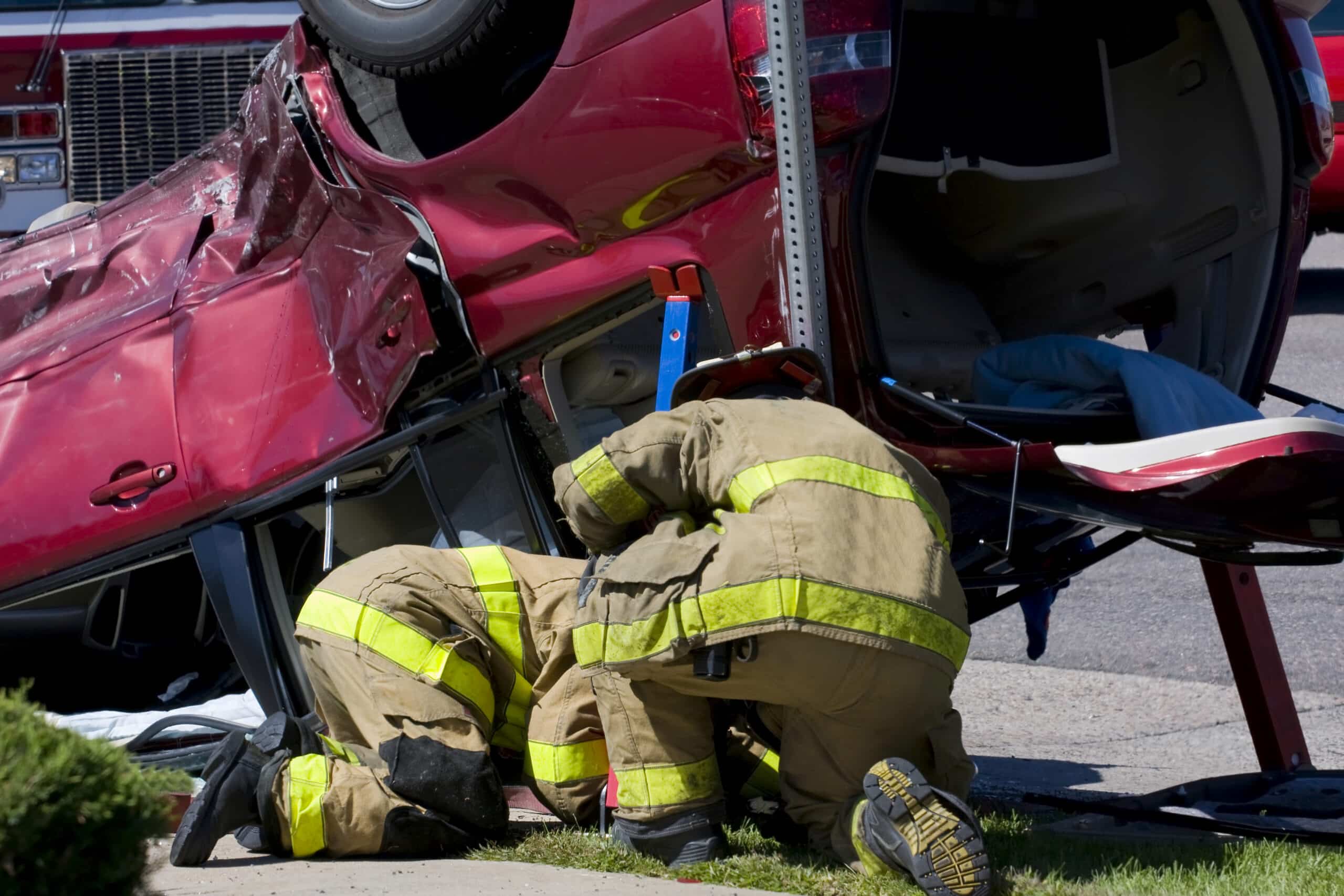
Diez-Arguelles Tejedor stands up for individuals and families affected by rollover accidents. Our attorneys are committed to protecting your rights, investigating what caused the crash, and helping you pursue the compensation you may be entitled to.
Call (407) 705-2880 to learn how we can help.
Understanding Rollover Accidents
A rollover is not necessarily a simple loss-of-control accident. Understanding what happened often requires looking at both what caused the vehicle to roll and what happened to the occupants once the rollover began.
What Caused the Rollover?
A rollover may result from a collision with another vehicle, a tire failure, a roadway defect, or a mechanical problem. Another driver may force a vehicle off the road or cause a crash that ultimately leads to a rollover.
What Caused the Occupants’ Injuries?
The circumstances that cause a vehicle to roll are not always the same circumstances that cause the occupants’ injuries. Vehicle design and safety systems may become important when injuries involve roof deformation, occupant ejection, or intrusion into the passenger compartment.
The fact that a vehicle rolled over does not automatically establish who is responsible. A thorough investigation should consider the events leading up to the rollover, the vehicle itself, and how the occupants were protected during the crash.
NHTSA evaluates rollover resistance separately from frontal and side crashworthiness in its vehicle safety ratings, reflecting the different factors involved in rollover risk and occupant protection.
What Causes a Vehicle to Roll Over?
Rollover accidents can occur under many different circumstances. Some are caused by another driver's negligence. Others may involve the vehicle, its components, the tires, or the roadway.
Potential contributing factors can include:
- A collision with another vehicle
- Being forced off the roadway
- Sudden evasive maneuvers
- Speed that is excessive for the conditions
- Loss of traction
- Tire failure or tread separation
- Steering or suspension problems
- Defective or improperly functioning vehicle components
- Uneven pavement, curbs, shoulders, or other roadway conditions
- Vehicle characteristics that affect stability
- A combination of multiple factors
The type of vehicle can also be relevant. NHTSA evaluates rollover resistance for passenger cars, SUVs, pickup trucks, and vans as part of its vehicle safety ratings.
However, a vehicle's classification alone does not establish that it was defective or caused a particular rollover. The circumstances of the individual crash need to be examined.
In some cases, the evidence may point to more than one contributing factor. Another driver's actions may have initiated the crash, while a tire failure, mechanical problem, or vehicle design issue may have affected how the rollover occurred or the severity of the resulting injuries.

Vehicle Defects and Crashworthiness
A vehicle is expected to provide occupants with protection when a crash occurs. In a rollover, the vehicle's structure and safety systems can become particularly important.
Roof Crush and Structural Intrusion
When a vehicle rolls, the roof may strike the ground or another object. Significant roof deformation or intrusion into the passenger compartment can expose occupants to serious head, neck, and other injuries.
Federal safety standards address vehicle roof-crush resistance, and NHTSA evaluates rollover resistance and crashworthiness as distinct aspects of vehicle safety.
Seatbelts and Restraint Systems
Seatbelts are designed to help restrain occupants during a crash. In a rollover, investigators may need to determine whether the restraint system functioned as intended and how the occupant moved during the sequence of impacts.
Ejection
Partial or complete ejection from a vehicle can dramatically increase the risk of catastrophic injury. An investigation may examine the seatbelt system, doors, latches, windows, roof structure, and other components to determine how and why an occupant was ejected.
Other Vehicle Safety Systems
Airbags, seats, door structures, latches, roof pillars, and other components can also become important when evaluating injuries sustained in a rollover.
This is part of the broader concept of crashworthiness, which concerns how a vehicle protects its occupants during a crash.
That distinction matters because the person or company responsible for causing the initial collision may not necessarily be the only party whose conduct or product should be investigated.
A rollover case can therefore involve both the cause of the crash and the performance of the vehicle during the crash.
Investigating a Rollover Crash
A severely damaged vehicle may appear to be nothing more than wreckage. For an accident reconstruction or vehicle safety expert, however, the damage can contain important evidence about how the crash occurred.
Preserving that evidence can be critical.
Our investigation may examine:
The Crash
- Police reports and photographs
- Accident scene evidence
- Witness statements
- Vehicle positions and damage
- Tire marks and roadway evidence
- Available event data recorder information
- The sequence of impacts and rollover events
The Vehicle
- Tires and wheels
- Steering and suspension components
- Roof and roof pillars
- Doors and latches
- Seatbelts and other restraint systems
- Airbags
- Seats and occupant compartment
- Areas of structural intrusion or deformation
Potential Product Issues
- Vehicle design
- Manufacturing defects
- Tire defects
- Recalls and safety information
- Prior complaints or similar incidents
- Warnings and instructions
- Testing and engineering information
The Injuries
Medical records, diagnostic imaging, photographs, surgical records, and other evidence can help establish the nature of the injuries and their relationship to the crash.
Depending on the circumstances, qualified accident reconstruction, engineering, vehicle safety, and medical experts may be needed to evaluate the evidence.
Preserving the vehicle is especially important when a potential product liability or crashworthiness claim is involved. Once a vehicle is destroyed, repaired, altered, or otherwise changed, evidence that could have helped reconstruct the accident may no longer be available.
If a rollover vehicle has been declared a total loss, the preservation of the vehicle should be addressed before it is destroyed or otherwise disposed of.
Injuries, Damages and Wrongful Death
Rollover crashes can produce severe injuries because occupants may experience multiple impacts as the vehicle rolls. Injuries may result from contact with the roof, windows, seats, other occupants, objects outside the vehicle, or parts of the vehicle that have entered the passenger compartment.
Potential injuries include:
- Traumatic brain injuries
- Spinal cord injuries
- Paralysis
- Neck and back injuries
- Fractures and broken bones
- Internal injuries
- Crushing injuries
- Severe lacerations
- Amputations
- Permanent disability
- Disfigurement
- Death
The consequences can extend well beyond the initial treatment. A person with a catastrophic rollover injury may require hospitalization, surgery, rehabilitation, medication, assistive equipment, home or vehicle modifications, and continuing medical care.
An injury may also affect a person's ability to work, earn income, care for family members, and live independently.
Depending on the circumstances, compensation may include medical expenses, future medical care, rehabilitation, lost income, loss of future earning capacity, pain and suffering, disability, disfigurement, and other damages available under Florida law.
When a rollover accident results in death, surviving family members may have rights under Florida's wrongful death laws.
Florida Rollover Accident Claims and Deadlines
The deadline for pursuing a rollover accident claim depends on the legal theory involved and the circumstances of the accident.
A conventional negligence claim arising from a motor vehicle accident is generally subject to Florida's two-year statute of limitations. However, a rollover case may also involve a separate product liability claim involving a vehicle, tire, or component.
Florida law contains specific rules for product liability claims. Under Section 95.031, a product liability action generally runs from the date the facts giving rise to the claim were discovered, or should have been discovered through due diligence. Florida also imposes a statute of repose that can bar certain claims involving products with an expected useful life of 10 years or less when the harm was caused by exposure to or use of the product more than 12 years after it was delivered to the first qualifying purchaser or lessee. There are exceptions and additional rules depending on the product and circumstances.
This distinction can matter in rollover cases involving older vehicles or vehicle components. Florida courts have applied the product liability statute of repose to claims involving older vehicles and vehicle safety systems.
Because a rollover accident may involve claims against multiple parties and under different legal theories, you should not assume that one deadline applies to every potential claim.
We Investigate the Cause of Rollover Crashes
A rollover accident can raise difficult questions about how the crash happened, what caused the vehicle to overturn, and whether the vehicle or another party contributed to the injuries. Determining what happened often requires a careful investigation of the crash, the vehicle, and the medical consequences.
Diez-Arguelles & Tejedor investigates rollover accident claims with these issues in mind. We work to identify the responsible parties, preserve important evidence, and build a case based on the facts surrounding your crash.
If You or a Loved One Has Been Injured
You do not have to determine what went wrong on your own. Contact Diez-Arguelles & Tejedor to discuss your rollover accident and learn how our attorneys can help investigate your claim.
Call (407) 705-2880 or contact us today for a consultation.
Serving injured individuals and families throughout Orlando and across Florida. Call Diez-Arguelles & Tejedor at 1-888-888-3773 to discuss your legal options in a free consultation.
Frequently Asked Questions
Rollover accidents can result from collisions, sudden evasive maneuvers, excessive speed for the conditions, tire failures, roadway conditions, loss of traction, mechanical problems, or characteristics of the vehicle itself. Determining the cause requires examining the specific circumstances of the crash.
Get Free Advice! Send us a Message Now.
You pay Absolutely Nothing Unless We Win your Case