When a Child's Future Is Changed by a Brain Injury
For a child, the effects of a brain injury may not always be immediately apparent. A young child may not be able to explain what happened or describe changes in the way an adult can. Some difficulties may only become noticeable as the child grows and reaches new developmental, educational, and social milestones.
When another person's negligence causes a child to suffer a brain injury, the consequences can extend far beyond the initial medical treatment.
A child may need years of therapy, specialized education, medical care, assistive equipment, or help with everyday activities. The full extent of those needs may not be known for years.
Diez-Arguelles & Tejedor represents children and families dealing with the consequences of serious brain injuries. We work to understand not only the child's injuries today, but what those injuries may mean for the child's future.
If your child has suffered a brain injury because of someone else's negligence, call (407) 705-2880 for a confidential consultation.
Diez-Arguelles Tejedor stands up for children who have suffered brain injuries and the families facing the challenges that can follow. Our attorneys are committed to protecting your child’s rights, investigating what caused the injury, and helping your family pursue the compensation needed to support your child’s care, development, and future.
Call (407) 705-2880 to learn how we can help.
Why Brain Injuries Can Be Different for Children
A child's brain is still developing.
That makes pediatric brain injuries different from many adult brain injuries. A child may initially appear to recover, only for difficulties with learning, memory, attention, speech, behavior, coordination, or other functions to become more apparent as developmental demands increase.
The question is therefore not simply:
What has the injury taken away today?
It may also be:
What opportunities, abilities, and independence could be affected as this child grows?
Understanding that distinction is important when evaluating both the child's medical needs and a potential legal claim.
What Can Cause a Brain Injury in a Child?
Children can suffer brain injuries in many different ways.
Birth and Medical Injuries
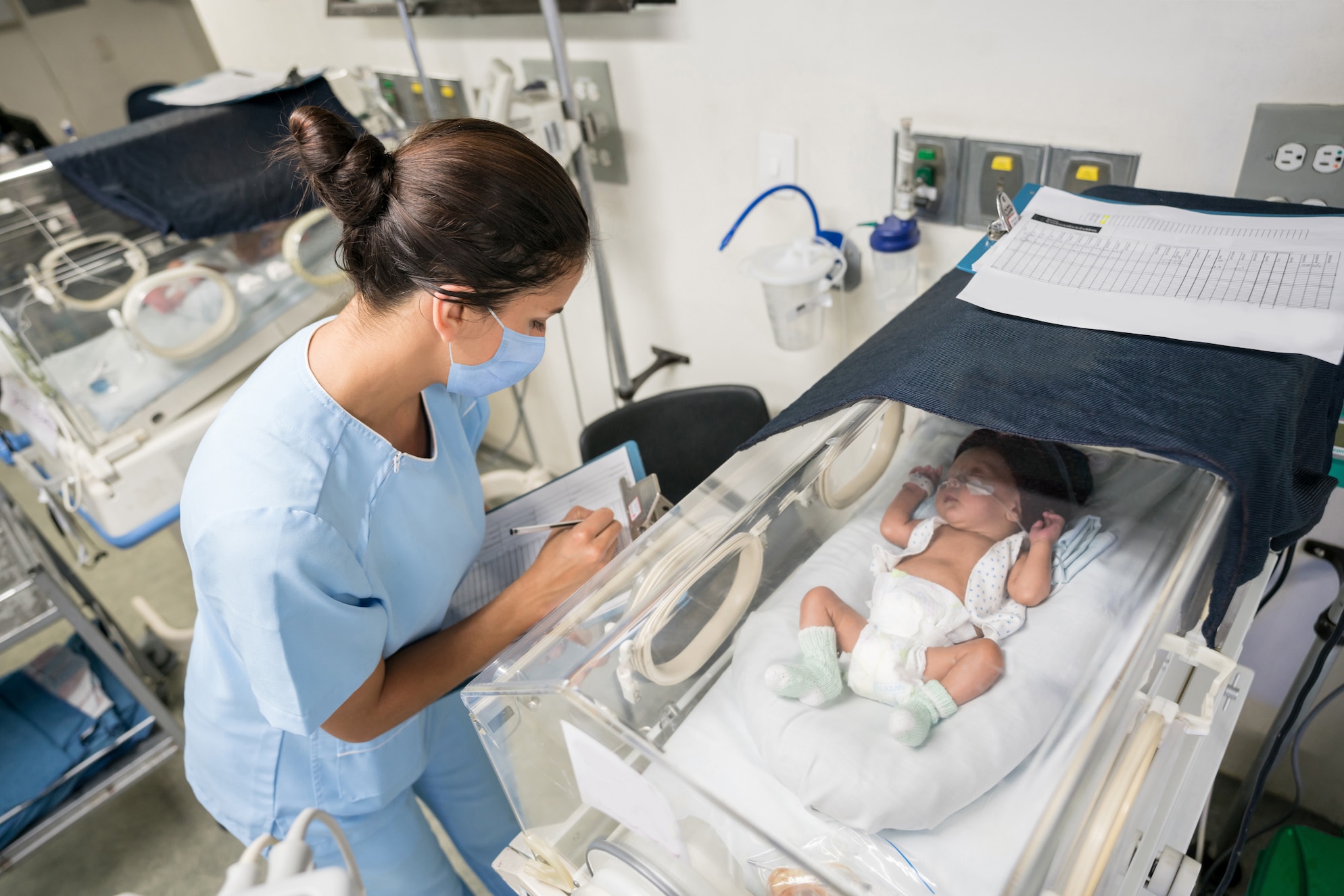
A brain injury can occur before, during, or shortly after birth when a child is deprived of adequate oxygen or blood flow to the brain. Medical negligence may sometimes contribute to these injuries.
Potential medical errors can include failing to recognize fetal distress, failing to respond appropriately to complications during labor, or failing to provide appropriate care to a newborn.
These cases may overlap with birth injury, cerebral palsy, and medical malpractice claims.
Motor Vehicle Accidents
Car crashes, pedestrian accidents, bicycle accidents, and other collisions can cause traumatic brain injuries in children.
Falls and Recreational Accidents
Falls from playground equipment, bicycles, pools, stairs, and other locations can result in significant head injuries.
Sports-Related Injuries
Concussions and other traumatic brain injuries can occur during youth sports and other physical activities.
Other Traumatic Events
Brain injuries can also result from other accidents, unsafe conditions, defective products, or acts of negligence.
The cause of the injury is important because it determines what legal claims may be available and who may be responsible.

A Brain Injury May Not Be Immediately Obvious
One of the challenges with childhood brain injuries is that the injury's effects may change as the child develops.
A child who appeared to be doing well immediately after an accident may later experience difficulties with:
- Memory
- Concentration
- Learning
- Speech and language
- Coordination
- Balance
- Behavior
- Emotional regulation
- Social interaction
- School performance
- Executive functioning
For younger children, developmental delays may be particularly important.
Parents may notice that a child is no longer reaching milestones at the expected pace or is struggling with skills that previously appeared to be developing normally.
That does not necessarily mean that a brain injury occurred or that someone else is legally responsible. But unexplained developmental changes following a significant injury deserve appropriate medical evaluation.
The Effects Can Follow a Child Into Adulthood
A child's needs can change dramatically over time.
A young child may initially need medical treatment and physical, occupational, or speech therapy. As the child gets older, educational support, behavioral services, vocational assistance, or other resources may become necessary.
In a severe case, a child may ultimately require assistance with basic activities of daily living and lifelong care.
That makes it important to look beyond the immediate medical bills when evaluating a serious pediatric brain injury. The long-term impact of a brain injury can also be significant for adults, whose needs may involve different medical, vocational, and support services. Learn more about how we help families facing the challenges of Brain Injured Adults.
The potential future needs of a child may include:
- Ongoing medical care
- Physical, occupational, or speech therapy
- Neuropsychological services
- Special education
- Assistive technology
- Adaptive equipment
- Home or vehicle modifications
- Personal care assistance
- Rehabilitation
- Supervision
- Vocational support
- Long-term residential or supportive care
The appropriate needs will depend on the child's injury and individual circumstances.
How We Evaluate a Child's Brain Injury
A serious pediatric brain injury can require an extensive review of the child's medical history and development.
Depending on the circumstances, we may examine:
- Emergency and hospital records
- Imaging and diagnostic studies
- Neurology records
- Rehabilitation records
- Therapy records
- School and educational records
- Developmental assessments
- Neuropsychological evaluations
- Prenatal, delivery, and newborn records in birth-related cases
- Witness statements
- Accident reports
- Other evidence concerning how the injury occurred
Medical professionals and other qualified experts may be needed to understand the injury, its effects, and the child's anticipated future needs.
The goal is to develop a clear picture of what happened, how the injury affected the child, and what support may be necessary as the child grows.
Building a Case Around a Child's Future
A serious child brain injury is not simply a claim for the medical bills that have already been incurred.
The legal evaluation may need to consider what the child will require years from now.
For example, if a child is expected to need continuing therapy, specialized education, assistance with daily activities, or other long-term services, those future needs may be an important part of the claim.
The child's developmental trajectory may also affect future educational and vocational opportunities.
Determining those needs requires more than an estimate based on today's expenses. It may require input from medical specialists, therapists, educators, neuropsychologists, life care planners, economists, and other qualified professionals.
Experience With Brain Injured Children
Diez-Arguelles & Tejedor has represented families whose children have suffered serious brain injuries.
The firm's existing practice-area information describes experience reviewing prenatal, delivery, and newborn medical records and working with credentialed medical professionals to evaluate whether a child's injuries could have been prevented. The firm also states that it has recovered compensation for brain-injured children and their families intended to address their future and lifetime medical needs.
The firm's broader medical malpractice results include significant recoveries involving children with brain injuries and other catastrophic injuries.
Past results do not guarantee a similar outcome. Every case is different and depends on its individual facts and circumstances.
Your Child's Future Matters
When a child suffers a serious brain injury, parents are often left trying to understand what happened while also thinking about everything their child may need in the years ahead.
You may be asking:
Could this injury have been prevented?
Will my child recover?
What will my child need as they grow?
How will this injury affect school, independence, or adulthood?
Those are difficult questions, and they cannot always be answered immediately.
Diez-Arguelles & Tejedor can investigate the circumstances surrounding your child's injury, work with appropriate medical professionals, and help your family understand its legal options.
If your child has suffered a brain injury, call (407) 705-2880 for a confidential consultation.
Serving injured individuals and families throughout Orlando and across Florida. Call Diez-Arguelles & Tejedor at 1-888-888-3773 to discuss your legal options in a free consultation.
Frequently Asked Questions
Childhood brain injuries can result from motor vehicle accidents, falls, sports injuries, unsafe conditions, medical negligence, birth injuries, and other traumatic events.
Get Free Advice! Send us a Message Now.
You pay Absolutely Nothing Unless We Win your Case