Amusement Park & Roller Coaster Accidents
An amusement park visit should not end with a serious injury. When a ride malfunctions, safety procedures are not followed, or unsafe conditions contribute to an accident, determining what happened can be critical. Diez-Arguelles & Tejedor investigates amusement park and roller coaster accidents to determine how an injury occurred and whether another party may be responsible.
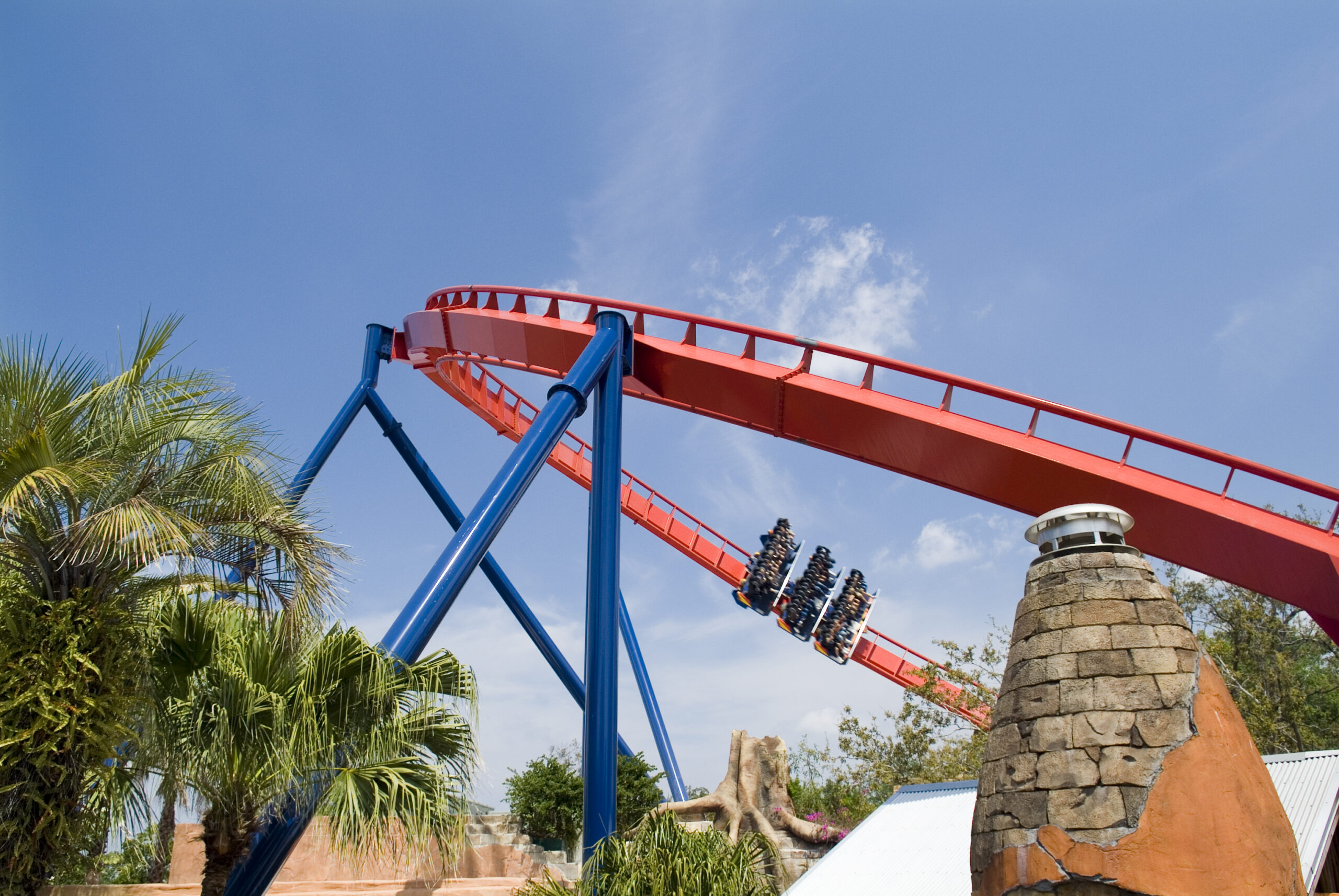
Diez-Arguelles Tejedor stands up for individuals and families whose lives have been affected by an amusement park or roller coaster accident. Our attorneys are committed to protecting injured victims and their families, investigating what happened, and helping them pursue the compensation they may be entitled to for their injuries and losses.
Call (407) 705-2880 to learn how we can help.
When an Amusement Park Visit Leads to Serious Injury
Amusement parks are designed to provide entertainment and excitement, but many attractions involve significant speeds, heights, moving machinery, water, and other conditions that require careful attention to safety.
An injury can occur on a roller coaster, water ride, thrill ride, or other attraction. Visitors can also be injured while entering or exiting a ride, walking through the park, or because of an unsafe condition on the property.
An injury by itself does not necessarily establish negligence. The important questions are what happened, what caused the accident, whether reasonable safety measures were followed, and whether another person or company failed to take appropriate precautions.
Depending on the circumstances, an investigation may need to consider the actions of a ride operator, the condition and maintenance of the equipment, the design or manufacture of the ride, the condition of the property, and other factors that may have contributed to the injury.
What Can Cause an Amusement Park Accident?
Amusement park accidents can happen for many different reasons. Sometimes the cause is apparent. In other cases, determining what went wrong requires a detailed investigation.
Ride Operator Errors
Ride operators have important responsibilities when loading passengers, checking restraints, following operating procedures, monitoring riders, and responding to problems.
Potential concerns may include failing to properly secure a rider, failing to follow established procedures, inadequate supervision, or continuing to operate a ride when a problem should have been recognized.
Mechanical or Maintenance Problems
Amusement rides depend on numerous mechanical, structural, and electrical components. A failure involving a restraint, braking system, control system, vehicle, track, or other component can create dangerous conditions.
Maintenance and inspection records may help determine whether equipment was properly maintained and whether problems were identified before an accident occurred.
Unsafe Property Conditions
Not every amusement park injury happens on a ride.
Visitors can also be injured because of dangerous conditions elsewhere on the property, including wet or obstructed walkways, unsafe stairs or platforms, inadequate barriers, falling objects, or other hazards.
Defective Equipment or Ride Components
Some accidents may involve a defective product or component. A ride, restraint, vehicle, or other piece of equipment may have been defectively designed, manufactured improperly, or accompanied by inadequate warnings or instructions.
When a product may have contributed to an injury, the investigation can extend beyond the amusement park to manufacturers, designers, suppliers, or other responsible parties.
Failure to Warn or Follow Safety Requirements
Warnings and instructions can be an important part of amusement ride safety. Restrictions concerning height, weight, age, medical conditions, or other factors may be intended to prevent riders from being exposed to unreasonable risks.
Florida law also establishes safety requirements for amusement rides, including requirements involving equipment, maintenance, operation, restraints, loading, warnings, and other safety considerations.
The question after an accident is not simply whether a rule existed. It is whether the applicable safety requirements and reasonable safety practices were followed.
Roller Coaster and Ride Injuries
Roller coaster accidents can involve forces that place substantial stress on the human body. A serious injury can occur because of a sudden movement, mechanical failure, restraint problem, collision, fall, or another event associated with the ride.
Depending on the circumstances, an investigation may need to determine:
- Whether the ride was operating as intended
- Whether the rider was properly secured
- Whether the restraints and other safety equipment were functioning properly
- Whether the ride was properly maintained and inspected
- Whether employees followed required operating procedures
- Whether a mechanical or structural component failed
- Whether the ride's design or equipment contributed to the injury
- Whether appropriate warnings and instructions were provided
The cause of the accident and the cause of the injury are not always the same.
For example, a mechanical problem or operator error may cause a ride to behave unexpectedly, while a defective restraint or inadequate protection may contribute to the severity of the rider's injuries.
Understanding that distinction can be important when determining who may be legally responsible.
Florida's Amusement Ride Safety Requirements
Florida regulates amusement rides through specific safety requirements. The law addresses matters including the condition and operation of rides, safety equipment, restraints, loading procedures, ride stability, operating speeds, inspections, and warnings.
Certain amusement ride accidents must also be reported to the state when a patron receives qualifying medical treatment. Florida authorities have investigative powers relating to amusement ride accidents, including the ability to investigate the circumstances surrounding an incident.
These requirements can become important evidence in an injury claim.
An investigation may involve reviewing inspection and maintenance records, operating procedures, employee training, incident reports, photographs, video, witness statements, and other evidence to determine whether the ride was being operated and maintained appropriately.
Investigating an Amusement Park Injury
After a serious amusement park accident, important evidence may exist in many different places.
Diez-Arguelles & Tejedor works to understand the circumstances surrounding an injury and identify the evidence necessary to evaluate a claim. Depending on the case, this may include examining:
- Ride inspection and maintenance records
- Incident and accident reports
- Employee and operator records
- Safety procedures and training materials
- Photographs and video of the accident or ride
- Surveillance footage
- Witness statements
- The condition of restraints and other safety equipment
- The ride or equipment involved in the incident
- Medical records and diagnostic studies
- Applicable safety standards and regulations
- Evidence concerning the design or manufacture of equipment
Preserving evidence can be particularly important in amusement ride cases. Equipment may be repaired, replaced, modified, or returned to service after an accident. Evidence that is no longer available can make it more difficult to determine what happened.
When necessary, qualified experts may assist in evaluating the accident, the equipment involved, applicable safety standards, and the nature and extent of the injuries.
Serious Injuries Can Have Lasting Consequences
The consequences of an amusement park accident can extend far beyond the day of the incident.
Serious injuries may include traumatic brain injuries, spinal cord injuries, fractures, internal injuries, burns, crush injuries, amputations, permanent disabilities, and other life-altering conditions. Some injuries may require emergency treatment, surgery, hospitalization, rehabilitation, or long-term medical care.
A serious injury can also affect a person's ability to work, participate in everyday activities, care for family members, or live independently.
When an injury results in permanent impairment or disability, evaluating the full impact of the injury may require looking beyond current medical bills. Future medical treatment, rehabilitation, lost income, reduced earning capacity, and other consequences may need to be considered.
In the most tragic cases, an amusement park accident can result in death. When a loved one dies because of another party's negligence or other actionable conduct, surviving family members may have a wrongful death claim under Florida law.
Who May Be Responsible for an Amusement Park Injury?
Responsibility depends on the facts of the accident.
A claim may involve an amusement park owner or operator, a ride operator, a maintenance company, an equipment manufacturer, a designer, or another third party.
In some cases, more than one factor may have contributed to an accident. Identifying each potential source of responsibility is an important part of investigating the claim.
Our attorneys look beyond the fact that an accident occurred. We seek to understand why it happened and whether someone failed to take reasonable steps to protect the people using the attraction or visiting the property.
Florida Amusement Park Injury Claims and Deadlines
The deadline for pursuing an amusement park injury claim depends on the circumstances of the case and the legal claims involved.
A claim based on negligence or unsafe property conditions may be subject to a different set of rules than a claim involving a defective product. Wrongful death claims also have their own statutory requirements.
Because these deadlines can affect your ability to pursue a claim, it is important to speak with an attorney as soon as possible after a serious amusement park accident. Waiting can also make it more difficult to preserve evidence and investigate the circumstances of the incident.
Serving injured individuals and families throughout Orlando and across Florida. Call Diez-Arguelles & Tejedor at 1-888-888-3773 to discuss your legal options in a free consultation.
Frequently Asked Questions
Possibly. An injury does not automatically mean that an amusement park or another party is legally responsible. A claim may exist when an injury resulted from negligence, unsafe conditions, defective equipment, inadequate warnings, or other conduct for which another party may be liable.
Get Free Advice! Send us a Message Now.
You pay Absolutely Nothing Unless We Win your Case